
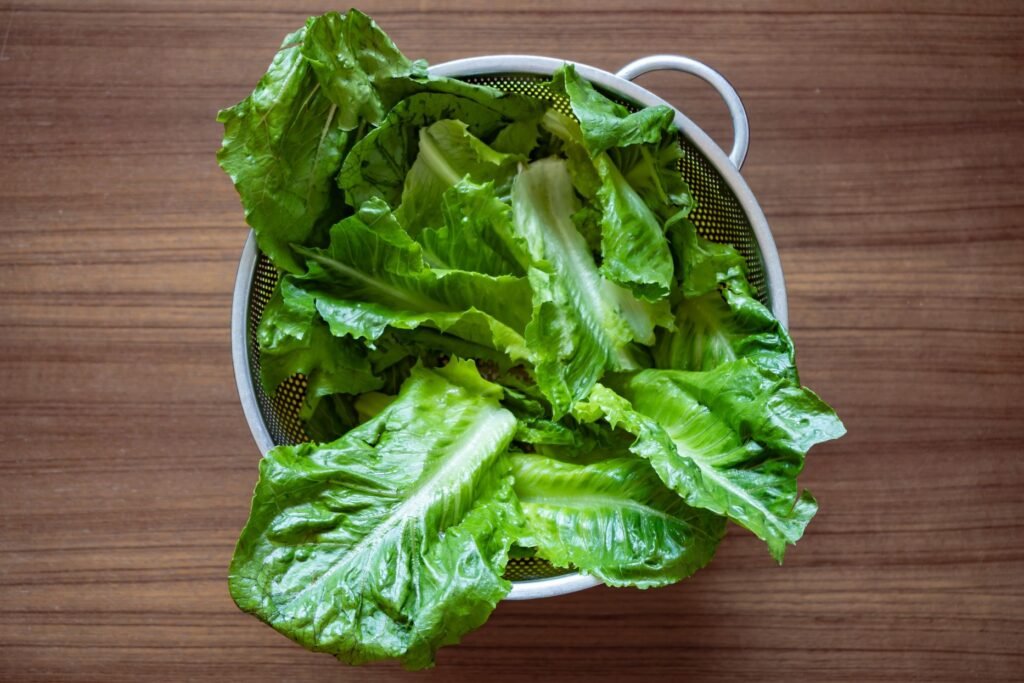

How Leafy Greens Get Contaminated
“Leafy greens are often linked to foodborne illness because they can pick up germs at so many stages before they reach your plate,” certified food and culinary scientist Jessica Gavin, CFS, CCS, told Health.
Contamination can begin on the farm through various sources, such as tainted irrigation water, manure-based fertilizers, nearby livestock, or wildlife passing through fields. These factors can introduce harmful bacteria like E. coli and Salmonella. Gavin notes that spinach and lettuce are particularly susceptible because they grow low to the ground.
“The larger the field is, the less likely it is that it’s being monitored closely,” said Bryan Quoc Le, PhD, a food scientist and author of 150 Food Science Questions Answered. He added that specialty greens like arugula are often grown on smaller commercial farms, where “workers will have a better handle of what’s going on there.”
After harvesting, subsequent steps like washing, chopping, processing, and packaging can further spread contaminants as the greens come into contact with more hands and equipment.
What Washing Can—and Can’t—Do
Washing your leafy greens can effectively reduce most pesticide residues, according to research. Gavin also mentions that it helps remove surface-level dirt, debris, and some bacteria. [2]
However, a simple rinse won’t eliminate all germs. “The vast majority of pathogens adhere to the surfaces of [greens], and it’s very, very difficult for water to penetrate this and remove them,” explained Quoc Le.
The physical structure of leafy greens poses another challenge. Gavin added that microbes such as E. coli can “hide in tiny crevices, or even get inside the plant tissue, where rinsing won’t reach.”
Pre-washed greens, like those in salad kits, are not exempt from these risks. Bacteria can still cling to the lettuce, and the increased handling during processing can elevate the chance of contamination. Listeria is a notable concern because it can survive on processing machinery and continue to multiply even at refrigerator temperatures, Gavin stated.
So, what’s the only guaranteed method to kill all bacteria on your greens? According to Gavin, it’s cooking them.
How to Best Wash Leafy Greens
Even though rinsing doesn’t remove every germ, it can eliminate some and is still a worthwhile step for other reasons.
To maximize your chances of reducing contaminants, Gavin suggests following these steps:
- Prepare your space: Wash your hands and clean all counters, sinks, and tools with hot, soapy water to prevent cross-contamination.
- Soak the leaves: Submerge the leaves in a clean bowl of cold water. This helps loosen any visible debris. Using cold water is key to keeping your greens crisp; hot water can cause them to wilt and open their pores, potentially letting bacteria in.
- Separate and rinse: Gently separate the leaves and rinse them under cool, running water for about 30 seconds. Discard any pieces that are torn or bruised.
- Dry thoroughly: Use a salad spinner or clean paper towels to dry the leaves completely.
- Rinse again: Perform a second rinse for another 30 seconds.
- Dry again: Dry the leaves thoroughly once more using a salad spinner or fresh paper towels.
The Bottom Line
While washing your leafy greens helps remove pesticides, dirt, and some bacteria, it cannot entirely eliminate all germs. This is because certain bacteria can firmly attach to the leaves and conceal themselves in small crevices. Nonetheless, you shouldn’t skip the washing step. For best results, run the leaves under cool water for about 30 seconds, dry them, and then rinse and dry them again.